

Understanding the US fiscal system can be daunting. The income tax process is a fundamental component that affects everyone. Let’s dive into the basics and explore how it works and what common mistakes to avoid. Master these details and simplify your tax filing.
Understanding the Basics of US Income Tax
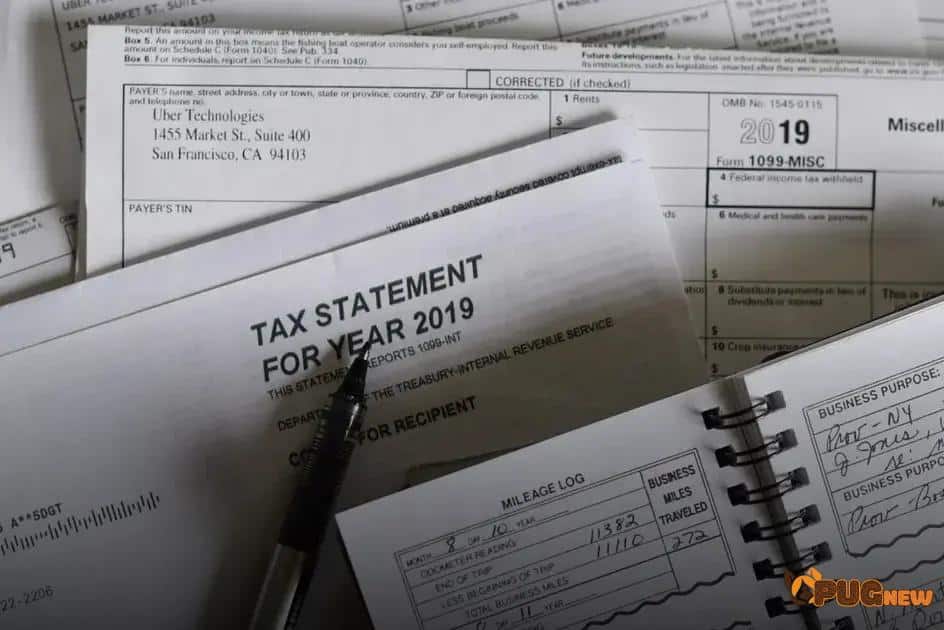
Understanding the basics of US income tax is crucial for navigating the fiscal landscape effectively. The USA operates on a progressive tax system, meaning the tax rates increase with higher income levels. The government determines tax responsibilities based on this structure, ensuring a fair distribution of tax burdens. As taxpayers earn more, their tax rate, or bracket, increases proportionately.
Filing Status is a vital component in determining tax obligations. It defines the criteria based on marital status or head of household situations. Each status has distinct tax rates and brackets, impacting how much individuals are required to pay or could possibly receive in refunds.
The US tax system also allows for various deductions and credits. Deductions reduce the taxable income, while credits directly reduce the amount of tax owed. Popular deductions include mortgage interest and charitable donations. Credits such as the Earned Income Tax Credit benefit individuals with lower income.
The Internal Revenue Service (IRS) administers these tax laws. Understanding rules, like the deadline for filing tax returns, which is typically April 15th, ensures compliance and avoids penalties. Utilizing tax software or consulting tax professionals can help in accurate filing.
Overall, being knowledgeable about these fundamental concepts can equip individuals to manage their tax responsibilities efficiently, helping them to make informed decisions when it comes to annual tax returns.
Common Mistakes When Filing Your Income Tax
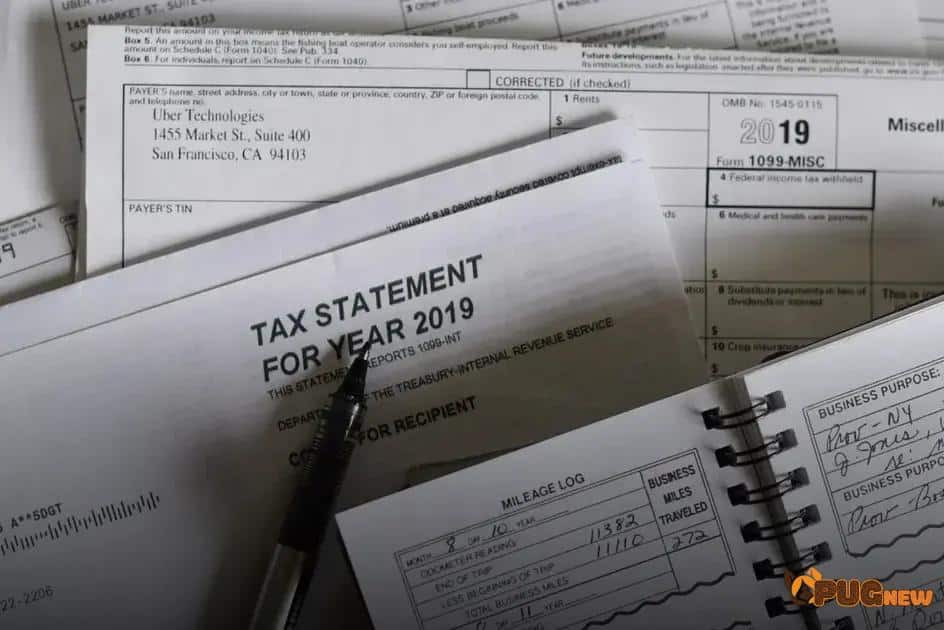
- Missing Deductions and Credits: It’s easy to overlook deductions and credits you’re eligible for, particularly if you are not aware of the various forms and schedules required. Make sure to claim them to reduce your tax liability.
- Incorrect Filing Status: Selecting the wrong filing status can significantly affect your tax return. Always analyze your current situation to choose the best status whether single, head of household, or married filing jointly or separately.
- Failing to Report All Income: All income received must be reported, including freelance or gig economy earnings. Failing to do so can lead to under-reported income and potential penalties.
- Mathematical Errors: Even small calculation errors can cause serious problems. Always double-check the math or use tax software to ensure calculations are accurate.
- Overlooking Retirement Contributions: Contributions to retirement accounts like 401(k) or IRAs can be deductible. Ensure you account for them to lower your taxable income.
- Submitting Late: Filing taxes after the deadline without an extension can incur fines. Plan ahead to avoid the last-minute rush.
- Ignoring State and Local Taxes: Besides federal taxes, state and local taxes must also be considered. Each has its regulations, so always be aware of standing obligations.
