

Top Credit Card Issuers in the US
- Chase – Offers robust rewards, flexible redemption, and some of the most trusted travel credit cards.
- Discover – Provides rotating 5% cash back categories and a generous first-year match program.
- Capital One – A solid option for those rebuilding credit, with free credit monitoring and competitive products.
- PenFed – Delivers low-rate credit cards for federal employees and military families with no annual fees.
- American Express – Known for customer service and premium perks like lounge access and membership rewards..
Major Bank Credit Cards
These cards provide top-tier rewards and travel perks for qualified applicants. With features like 0% intro APR and fraud protection, they’re great for established users—but inaccessible for those with limited credit history.
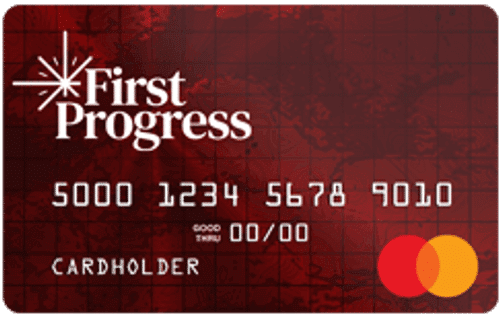
First Progress Platinum Elite Mastercard Secured Credit Card
A top pick for consumers who want to establish or rebuild credit, this secured card has minimal entry requirements. With no credit check, a refundable deposit acts as your limit, and activity is reported to Equifax, Experian, and TransUnion. The $29 annual fee is modest, and the card has a 29.99% APR—manageable if you pay in full monthly. You can use it wherever Mastercard is accepted, making it practical and reliable. The application takes minutes online, with fast approvals. No hidden fees, just a path toward better credit with consistent use.
Fintech or Online-Only Credit Card Issuers
Fintech companies often use alternative approval methods—bank activity, income, or cash flow—to issue cards. These can be appealing for those without traditional credit, but not all report to all bureaus, and customer support may be limited.
Secured Credit Cards for Building Credit
Perfect for credit newbies, these require a deposit and report to credit agencies. Benefits include wide acceptance and the ability to graduate to unsecured cards. Be cautious of high interest rates and look for cards with low fees.
Retail Store Credit Cards
Store cards provide access to special discounts or loyalty points, but they come with high APRs and narrow usability. They’re often easier to get, but they rarely contribute to long-term credit health.
How Credit Cards Impact Your Finances and Credit Score in the US
Responsible credit card use is critical to your financial profile. Keeping your credit utilization ratio under 30% boosts your FICO score, while on-time payments build positive history. Late payments and carried balances can lead to steep interest charges and long-term damage. Your credit behavior also affects your debt-to-income ratio, which lenders assess during loan applications. Balance transfers may offer short-term relief, but require caution. Many cards include benefits like purchase protection or car insurance coverage. Avoid opening too many accounts at once, and always read the fine print. Paying off your balance in full is the smartest long-term strategy.

 Chase Ink Business Credit Card <p class='sec-title' style='line-height: normal; font-weight: normal;font-size: 16px !important; text-align: left;margin-top: 8px;margin-bottom: 0px !important;'> Discover why the Chase Ink Business Credit Card is a top choice for U.S. small business owners, offering strong cash back rewards, flexible benefits, and business-focused financial tools.</p>