

Top Credit Card Issuers in the US
- Chase Bank
A dominant force in the credit card market, Chase offers cards with generous travel and cashback rewards, robust fraud protection, and leading mobile app functionality. Perfect for consumers who value flexible points and premium benefits. - American Express (AmEx)
Known for premium perks and strong customer service, AmEx cards often include comprehensive travel protections, exclusive access to events, and lucrative reward programs focused on dining, travel, and lifestyle. - Capital One
Capital One delivers a strong range of cards for everyday spending and travel. With user-friendly mobile tools and no foreign transaction fees on many cards, it’s ideal for tech-savvy and frequent travelers. - Discover
Discover is a great option for cashback enthusiasts, particularly students and those new to credit. With rotating 5% cashback categories and no annual fee, it encourages responsible use and rewards everyday purchases. - Citi
Citi offers versatile cashback and travel cards with useful benefits like extended warranty, purchase protection, and flexible redemption options. Their rewards ecosystem is especially appealing for everyday spenders.
Major Bank Credit Cards
Credit cards from traditional banks such as Chase, Citi, and Bank of America offer broad-based reward structures, robust online platforms, and customer support. These cards typically include fraud protection, 0% intro APR promotions, balance transfer features, and strong integration with digital wallets and tools. The major banks’ long-standing reputations give consumers confidence and wide acceptance across the U.S. and internationally.
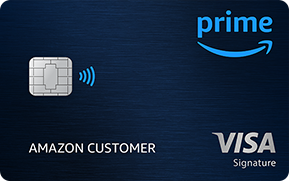
Amazon Prime Rewards Visa Signature Credit Card
For loyal Amazon shoppers and Whole Foods Market patrons, the Amazon Prime Rewards Visa Signature Card is an excellent no-annual-fee option (with eligible Prime membership). Cardholders earn 5% back at Amazon.com and Whole Foods Market, 2% at restaurants, gas stations, and drugstores, and 1% everywhere else. There are no foreign transaction fees, which makes it suitable for international purchases. The card is issued by Chase, providing additional peace of mind with Visa Signature benefits like travel accident insurance and purchase protection. It’s a straightforward, high-value card with no rotating categories or point transfers — just solid cashback returned as statement credits or Amazon purchases. U.S. consumers who shop often with Amazon will see real, tangible value.
Fintech or Online-Only Credit Card Issuers
Digital-first fintechs such as Petal, Tomo, and Upgrade have introduced innovative credit-building options. These cards often use alternative underwriting methods (like banking activity instead of credit score) to approve users. They offer transparent terms, tools to help manage balances, and real-time spending tracking. Fintech credit cards are particularly attractive to younger adults and credit newcomers looking for flexible access with fewer fees.
Secured Credit Cards for Building Credit
Secured cards like the Discover it® Secured or Capital One Platinum Secured require a refundable deposit and are ideal for rebuilding or starting credit. They report monthly to the three major credit bureaus, helping users establish a positive credit history. Many offer access to credit score monitoring, automatic credit line reviews, and even cashback in some cases. For U.S. consumers aiming to improve their FICO score, this category offers essential tools for progress.
Retail Store Credit Cards
Store cards from brands like Target or Macy’s often entice shoppers with discounts at checkout and loyalty points. However, these cards tend to have high APRs, limited usage, and fewer consumer protections. U.S. consumers should use caution — unless you’re a frequent shopper at that store and plan to pay in full monthly, the drawbacks may outweigh the benefits.
How Credit Cards Impact Your Finances and Credit Score in the US
Using credit cards wisely in the U.S. plays a critical role in shaping your financial health. A low credit utilization ratio (ideally under 30%) helps improve your FICO score, while timely payments contribute to a strong credit history. Conversely, carrying high-interest balances can lead to compounding debt. Responsible card use also affects your debt-to-income (DTI) ratio, influencing your eligibility for loans or mortgages. Balance transfers with promotional APRs may help consolidate debt, but only with disciplined repayment. Understanding perks like purchase protection or rental car insurance can add real value. Be cautious with hard inquiries, as too many in a short period can lower your score. Always read your cardholder agreement, avoid unnecessary fees, and strive to pay your full balance monthly to stay financially fit.

 Chase Ink Business Credit Card <p class='sec-title' style='line-height: normal; font-weight: normal;font-size: 16px !important; text-align: left;margin-top: 8px;margin-bottom: 0px !important;'> Discover why the Chase Ink Business Credit Card is a top choice for U.S. small business owners, offering strong cash back rewards, flexible benefits, and business-focused financial tools.</p>