

Top Credit Card Issuers in the US
- Chase – One of the largest US banks, known for premium travel cards, generous sign-up bonuses, and the popular Ultimate Rewards points ecosystem.
- American Express – Famous for top-tier customer service and strong rewards for travel and dining, though many cards carry higher annual fees.
- Capital One – A consumer-friendly issuer offering straightforward cash back and travel rewards with easy-to-use digital tools.
- Discover – Well-known for rotating cash back categories, no annual fees, and US-based customer service.
- Navy Federal Credit Union – A leading credit union for military members and families, offering low APRs and strong customer satisfaction.
1. Major Bank Credit Cards
Major bank credit cards in the US are issued by large, well-established financial institutions and typically offer broad acceptance, strong fraud protection, and a wide range of options. These cards often include cash back rewards, travel points, or 0% intro APR offers on purchases or balance transfers. The biggest advantage is stability and customer support, but interest rates can be higher if you carry a balance, and approval standards may be stricter for consumers with limited credit history.
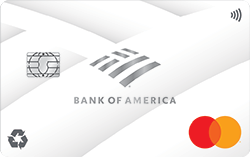
2. BankAmericard Credit Cards
BankAmericard credit cards are designed with simplicity and value in mind for US consumers. They are especially attractive for their competitive APRs, long 0% intro APR periods on balance transfers or purchases, and typically no annual fee. The application process is straightforward and fully online, backed by Bank of America’s strong customer service reputation nationwide. While rewards may be more modest than premium cards, BankAmericard stands out as a practical option for managing debt, consolidating balances, and maintaining predictable credit costs.
3. Fintech or Online-Only Credit Card Issuers
Fintech and online-only credit card issuers focus on digital-first experiences, fast approvals, and modern budgeting tools. Many offer cash back rewards, instant virtual cards, and transparent fee structures. These cards can be appealing for tech-savvy Americans, but they may lack the long-term reputation, in-branch support, or extensive benefits of traditional banks. Interest rates can also be higher, especially for users with average or fair credit.
4. Secured Credit Cards for Building Credit
Secured credit cards are a common entry point for Americans building or rebuilding their FICO score. They require a refundable cash deposit that typically becomes your credit limit. Used responsibly, they help establish payment history and improve credit utilization over time. The downside is limited rewards and the upfront deposit, but they remain one of the most reliable tools for improving credit in the US system.
5. Retail Store Credit Cards
Retail store credit cards are issued by specific brands or stores and often come with discounts or special financing offers. While tempting at checkout, these cards usually have very high APRs and limited usability outside the store. For US consumers, they can hurt your credit utilization and increase debt if balances aren’t paid quickly, so they should be approached with caution.
How Credit Cards Impact Your Finances and Credit Score in the US
In the US, credit cards directly affect your FICO score and overall financial health. Your credit utilization ratio—how much of your available credit you use—is one of the most important factors, ideally kept below 30%. On-time payments build a strong credit history, while carrying high balances leads to costly compound interest. Credit card management also influences your debt-to-income (DTI) ratio, which lenders review when approving major loans like mortgages. Balance transfers can be a smart strategy to reduce interest, but only with disciplined repayment. Benefits like purchase protection or rental car insurance can add value if used correctly. Be mindful that multiple hard inquiries in a short time can lower your score. Always read the cardholder agreement, avoid high-interest debt, and pay your balance in full whenever possible.

 Chase Ink Business Credit Card <p class='sec-title' style='line-height: normal; font-weight: normal;font-size: 16px !important; text-align: left;margin-top: 8px;margin-bottom: 0px !important;'> Discover why the Chase Ink Business Credit Card is a top choice for U.S. small business owners, offering strong cash back rewards, flexible benefits, and business-focused financial tools.</p>