

Top Credit Card Issuers in the US
- Chase
One of the largest US banks, known for travel-focused credit cards with flexible points (Ultimate Rewards) and strong welcome bonuses for frequent travelers. - American Express
Popular for premium cards, excellent customer service, and robust rewards programs, especially for travel, dining, and lifestyle perks. - Capital One
Well-known for simple cash back and travel rewards cards, with user-friendly apps and broad acceptance across the US. - Discover
A consumer-friendly issuer offering cash back cards, no annual fees, and strong US-based customer service, especially for students and first-time cardholders. - Navy Federal Credit Union
Focused on military members and families, offering low APRs, high credit limits, and relationship-based lending benefits.
1. Major Bank Credit Cards
Major bank credit cards in the US typically offer strong rewards like cash back or travel points, 0% intro APR offers on purchases or balance transfers, and high credit limits for qualified applicants. However, they usually require good to excellent credit (higher FICO scores) and may charge annual fees or higher APRs if balances aren’t paid in full. These cards work best for consumers who already have established credit and want to maximize rewards.
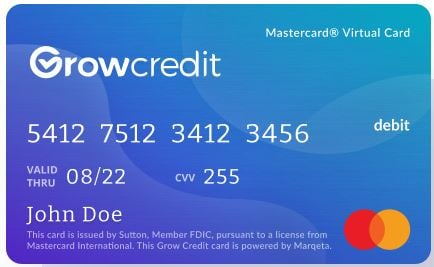
2. Grow Credit Mastercard
The Grow Credit Mastercard is designed specifically for Americans focused on building or rebuilding credit. Instead of traditional spending, the card lets you pay for eligible subscriptions (like Netflix, Spotify, or utility services), reporting on-time payments to major US credit bureaus. It offers no interest (0% APR), no traditional credit risk, and a simple application process with no credit check for entry-level plans. This structure makes it ideal for improving your FICO score safely, especially for consumers new to credit or recovering from past mistakes, while avoiding debt and interest charges altogether.
3. Fintech or Online-Only Credit Card Issuers
Fintech credit cards in the US focus on digital-first experiences, fast approvals, and innovative tools like real-time spending alerts or automatic budgeting. Companies like Petal or Chime often cater to consumers with limited credit history. While these cards can be easier to qualify for, they may offer fewer rewards and less established customer service compared to traditional banks.
4. Secured Credit Cards for Building Credit
Secured credit cards require a refundable cash deposit that becomes your credit limit. In the US, they are a common way to build or repair a FICO score when traditional cards aren’t accessible. They report to credit bureaus and encourage responsible use, but they tie up cash and often come with limited rewards or higher fees compared to unsecured options.
5. Retail Store Credit Cards
Retail store credit cards are easy to get and often offer discounts or special financing at a specific store. However, they usually come with very high APRs, limited usability, and lower credit limits. For US consumers, they can hurt long-term credit health if balances aren’t paid quickly, making them a riskier option for credit building.
How Credit Cards Impact Your Finances and Credit Score in the US
In the US, your credit utilization ratio—the percentage of available credit you use—is a major factor in your FICO score, with lower utilization helping your score. On-time payments are critical for building a strong credit history, while carrying high balances can lead to costly compound interest. Credit card usage also affects your debt-to-income ratio (DTI), which lenders review when approving mortgages or auto loans. Balance transfers with 0% intro APRs can be helpful if managed carefully, but require discipline. Card benefits like purchase protection or rental car insurance can add value when used wisely. Multiple hard inquiries in a short period can temporarily lower your score, so apply strategically. Always read the cardholder agreement, avoid high-interest debt, and pay your balance in full whenever possible.

 Chase Ink Business Credit Card <p class='sec-title' style='line-height: normal; font-weight: normal;font-size: 16px !important; text-align: left;margin-top: 8px;margin-bottom: 0px !important;'> Discover why the Chase Ink Business Credit Card is a top choice for U.S. small business owners, offering strong cash back rewards, flexible benefits, and business-focused financial tools.</p>