

Top Credit Card Issuers in the US
- Chase – One of the largest U.S. banks, known for strong rewards programs, broad acceptance, and reliable customer service, especially for travel and business-focused cards.
- American Express – Popular for premium cards, generous travel points, and excellent customer support, often favored by frequent travelers and larger spenders.
- Capital One – Well-regarded for simple cash back and travel rewards, transparent terms, and easy-to-use digital tools.
- Discover – Known for straightforward cash back cards, no annual fees, and strong U.S.-based customer service.
- Navy Federal Credit Union – A top option for eligible members, offering competitive APRs and favorable terms for military families.
1. Major Bank Credit Cards
Major bank credit cards in the U.S. are typically issued by large institutions like Chase, Bank of America, or Citi. They often come with broad acceptance, strong fraud protection, and a wide range of perks such as cash back rewards, travel points, and 0% intro APR on purchases or balance transfers. These cards are ideal for consumers with good to excellent credit who value stability and comprehensive benefits. The main downside can be stricter approval requirements and higher APRs if balances aren’t paid in full.
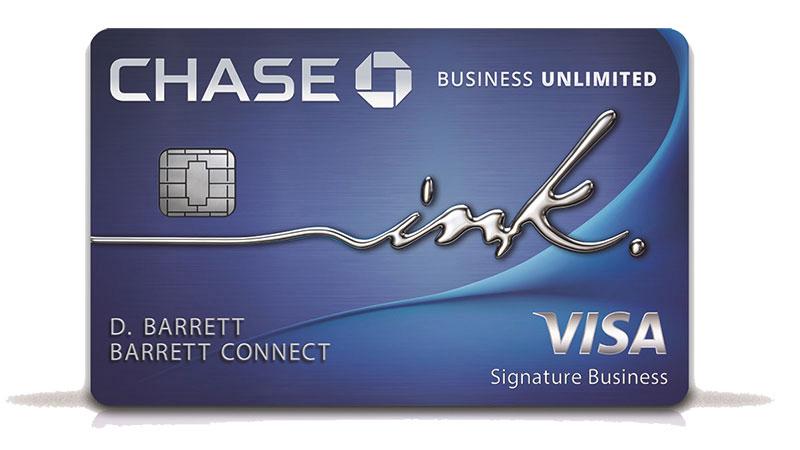
2. Chase Ink Business Credit Cards
Chase Ink Business cards are tailored for U.S. small business owners and freelancers, offering competitive APRs, generous cash back rewards, and no annual fee on select cards. Cardholders can earn elevated rewards on common business expenses like office supplies, internet, cable, and advertising. The application process is straightforward, even for sole proprietors, and Chase has a strong customer service reputation in the U.S. Additional perks such as employee cards at no extra cost, purchase protection, and integration with Chase Ultimate Rewards® make this a powerful option for managing business cash flow and building business credit.
3. Fintech or Online-Only Credit Card Issuers
Fintech and online-only issuers, such as Brex or certain Capital One digital-first products, focus on ease of use, fast approvals, and modern app-based management. In the U.S., these cards often appeal to startups and tech-savvy consumers who want real-time expense tracking and simple rewards like flat-rate cash back. While convenient, they may lack some traditional benefits like in-branch support or extensive travel perks.
4. Secured Credit Cards for Building Credit
Secured credit cards require a refundable security deposit and are commonly used in the U.S. to build or rebuild a FICO score. They function like regular credit cards but usually have lower credit limits and fewer rewards. Their main advantage is accessibility for those with limited or poor credit history. Over time, responsible use—on-time payments and low credit utilization—can help transition to an unsecured card.
5. Retail Store Credit Cards
Retail store credit cards are tied to specific merchants and often offer discounts or special financing. In the U.S., they can be tempting at checkout, but they usually come with high APRs and limited usability outside the store. While they may help build credit, the drawbacks—high interest rates and restricted rewards—mean they should be used cautiously and paid off quickly.
How Credit Cards Impact Your Finances and Credit Score in the US
Credit cards play a major role in your financial health and FICO score in the U.S. Your credit utilization ratio—how much of your available credit you use—is critical, with lower utilization generally boosting your score. On-time payments build a strong credit history, while carrying high balances leads to costly compound interest. Responsible card management also affects your debt-to-income (DTI) ratio, which lenders review when considering mortgage approval odds. Balance transfers can help manage debt strategically, especially with a 0% intro APR, but require discipline. Card benefits like purchase protection and rental car insurance add value if used wisely. Be mindful that multiple hard inquiries in a short period can temporarily lower your score. Always read the cardholder agreement, avoid high-interest debt, and pay your balance in full whenever possible.

 Chase Ink Business Credit Card <p class='sec-title' style='line-height: normal; font-weight: normal;font-size: 16px !important; text-align: left;margin-top: 8px;margin-bottom: 0px !important;'> Discover why the Chase Ink Business Credit Card is a top choice for U.S. small business owners, offering strong cash back rewards, flexible benefits, and business-focused financial tools.</p>