

Top Credit Card Issuers in the US
- Chase – One of the largest US banks, known for flexible travel rewards (Ultimate Rewards), strong sign-up bonuses, and broad acceptance nationwide.
- American Express – Popular for premium cards, excellent customer service, and robust rewards on travel and dining, though acceptance can vary.
- Capital One – Well-known for simple cash back structures, easy-to-use mobile tools, and beginner-friendly credit cards.
- Discover – Focuses on cash back cards with no annual fees and strong US-based customer service.
- Navy Federal Credit Union – A top choice for eligible members, offering low APRs and relationship-based benefits.
1. Major Bank Credit Cards
Major bank credit cards in the US typically offer broad usability, competitive rewards, and features like 0% intro APR on purchases or balance transfers. These cards often include cash back or travel points and are best suited for consumers with good to excellent FICO scores. Advantages include strong fraud protection and brand trust, while disadvantages can include stricter approval requirements and higher ongoing APRs after intro periods.
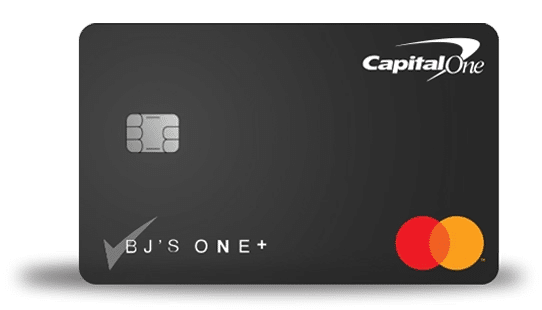
2. BJ’s One Mastercard
The BJ’s One Mastercard is built specifically for US consumers who regularly shop at BJ’s Wholesale Club. It offers generous cash back rewards on BJ’s purchases, gas, and groceries, making it highly practical for everyday spending. Cardholders benefit from no annual fee, competitive variable APRs based on creditworthiness, and an easy online application process. Rewards are simple to redeem and integrate well with the BJ’s ecosystem. Backed by a major US issuer, it provides reliable customer service, standard purchase protections, and wide Mastercard acceptance across the US.
3. Fintech or Online-Only Credit Card Issuers
Fintech credit cards (like those from Apple Card or SoFi) emphasize digital-first experiences, fast approvals, and transparent fee structures. Many appeal to younger US consumers with intuitive apps and real-time spending insights. While they often offer flat-rate cash back, they may lack advanced perks like travel insurance or robust customer support compared to traditional banks.
4. Secured Credit Cards for Building Credit
Secured credit cards require a refundable security deposit and are designed to help Americans build or rebuild their FICO score. They report to major US credit bureaus and reward responsible usage, such as low credit utilization and on-time payments. While they rarely offer rewards, they’re a valuable stepping stone toward unsecured cards.
5. Retail Store Credit Cards
Retail store credit cards are easy to obtain and often provide store-specific discounts, but they usually come with high APRs and limited usability. In the US, these cards can help build credit if managed carefully, but carrying a balance can quickly lead to expensive interest charges. They’re best used sparingly and paid in full each month.
How Credit Cards Impact Your Finances and Credit Score in the US
In the US, credit cards play a major role in shaping your FICO score, especially through your credit utilization ratio, which measures how much of your available credit you’re using. Keeping utilization below 30% is critical. On-time payments build a positive credit history, while carrying high balances leads to costly compound interest. Credit card balances also affect your debt-to-income (DTI) ratio, influencing mortgage approval odds. Balance transfers can help manage debt if paired with discipline. Card benefits like purchase protection and rental car insurance add value, but frequent hard inquiries can temporarily lower your score. Always read the cardholder agreement, avoid high-interest debt, and aim to pay your balance in full every month.

 Chase Ink Business Credit Card <p class='sec-title' style='line-height: normal; font-weight: normal;font-size: 16px !important; text-align: left;margin-top: 8px;margin-bottom: 0px !important;'> Discover why the Chase Ink Business Credit Card is a top choice for U.S. small business owners, offering strong cash back rewards, flexible benefits, and business-focused financial tools.</p>