

Top Credit Card Issuers in the US
- Capital One – Known for its inclusive product line, Capital One offers credit cards for a variety of credit scores, including secured and student options, plus great digital tools.
- Discover – A popular choice for cashback and beginner cards, Discover offers no annual fees and FICO score monitoring for all cardholders.
- Chase – Well-regarded for premium travel rewards cards, Chase also offers flexible balance transfer options and competitive introductory APRs.
- American Express – Amex focuses on luxury perks and strong customer support, with a wide range of cards for rewards maximization.
Major Bank Credit Cards
Major banks like Bank of America, Wells Fargo, and Citi offer credit cards that come with high rewards potential, fraud protection, and full-service apps. They often appeal to consumers with established credit histories due to stricter approval standards. For those who qualify, these cards may feature generous sign-up bonuses, cashback, or travel points. However, late fees and interest charges can quickly add up if not managed responsibly.
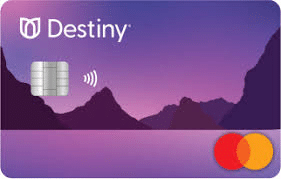
Destiny Mastercard Credit Card
The Destiny Mastercard Credit Card is tailored for U.S. consumers with less-than-perfect credit, offering a real path to re-entry into the credit market. It doesn’t require a security deposit, which is a significant advantage over most credit-building products. Applicants can pre-qualify with no impact on their credit score and may receive a starting limit of up to $700. Monthly reporting to Equifax, Experian, and TransUnion helps rebuild your FICO score with on-time payments. While the card comes with an annual fee ranging from $59 to $125 and no rewards program, it’s designed for a specific purpose—helping people get approved when other options are closed. The simple application process and basic mobile access make it a solid stepping stone for consumers regaining control of their financial lives.
Fintech or Online-Only Credit Card Issuers
Companies like Petal, Chime, and Upgrade offer digital credit cards built for consumers who may not qualify through traditional credit channels. These fintech issuers often use cash flow, bank account activity, or other alternative metrics to evaluate creditworthiness. Their mobile apps are streamlined and often include tools like budgeting assistance or early pay access. However, card limits may be lower initially, and some services may lack the full features of long-established banks.
Secured Credit Cards for Building Credit
Secured cards are backed by a cash deposit and are a common solution for credit newcomers or rebuilders. Products like the Discover it® Secured or the Capital One Platinum Secured help users build a payment history while limiting financial risk for the issuer. Although they require upfront funds and might lack high rewards, they are widely accepted and can graduate to unsecured cards with responsible use.
Retail Store Credit Cards
Store credit cards are often easier to get approved for, making them appealing to people with limited credit histories. However, these cards—offered by retailers like Target or Best Buy—tend to have high interest rates and restricted usability. Rewards are usually limited to in-store purchases, and deferred interest promotions can be confusing if not paid off in time.
How Credit Cards Impact Your Finances and Credit Score in the US
Credit cards are powerful tools for shaping your financial reputation. In the U.S., your credit utilization ratio (how much of your credit you use) plays a major role in your FICO score. Keeping usage low and paying your bills on time builds trust with lenders. High balances can raise your debt-to-income (DTI) ratio, potentially affecting future loan applications. Responsible use of credit cards—including balance transfers and strategic repayment—can reduce high-interest debt. Many cards offer purchase protection and rental car insurance, which can add value. However, submitting too many credit applications in a short span can lower your score due to hard inquiries. Always read your card agreement carefully, and aim to pay in full every month to avoid interest and stay financially healthy.

 Chase Ink Business Credit Card <p class='sec-title' style='line-height: normal; font-weight: normal;font-size: 16px !important; text-align: left;margin-top: 8px;margin-bottom: 0px !important;'> Discover why the Chase Ink Business Credit Card is a top choice for U.S. small business owners, offering strong cash back rewards, flexible benefits, and business-focused financial tools.</p>