

Top Credit Card Issuers in the US
- Capital One – Offers cards for every credit tier, from beginners to travelers. Popular for cards like Quicksilver and Platinum Mastercard with no annual fees.
- Chase – Known for big-name cards like the Chase Sapphire Preferred and Freedom Unlimited, Chase offers robust rewards and great customer support.
- Discover – Offers flat-rate and rotating cashback cards, all with no annual fees. Discover is also a favorite for students and credit-builders.
- American Express – Specializes in premium rewards, especially for travelers and frequent spenders. Amex provides exceptional purchase and travel protections.
- WebBank (Petal Issuer) – Partners with fintech companies like Petal to deliver credit options outside the traditional score-only system. Great for new credit users.
Major Bank Credit Cards
These cards, offered by institutions like Bank of America, Citi, and Wells Fargo, are well-known for providing travel points, 0% intro APR offers, and high-end perks. However, most require good to excellent credit, making them out of reach for many Americans starting out or rebuilding. Still, they can be excellent tools if you qualify and pay your balance in full monthly, as they often include sign-up bonuses and strong fraud protection.
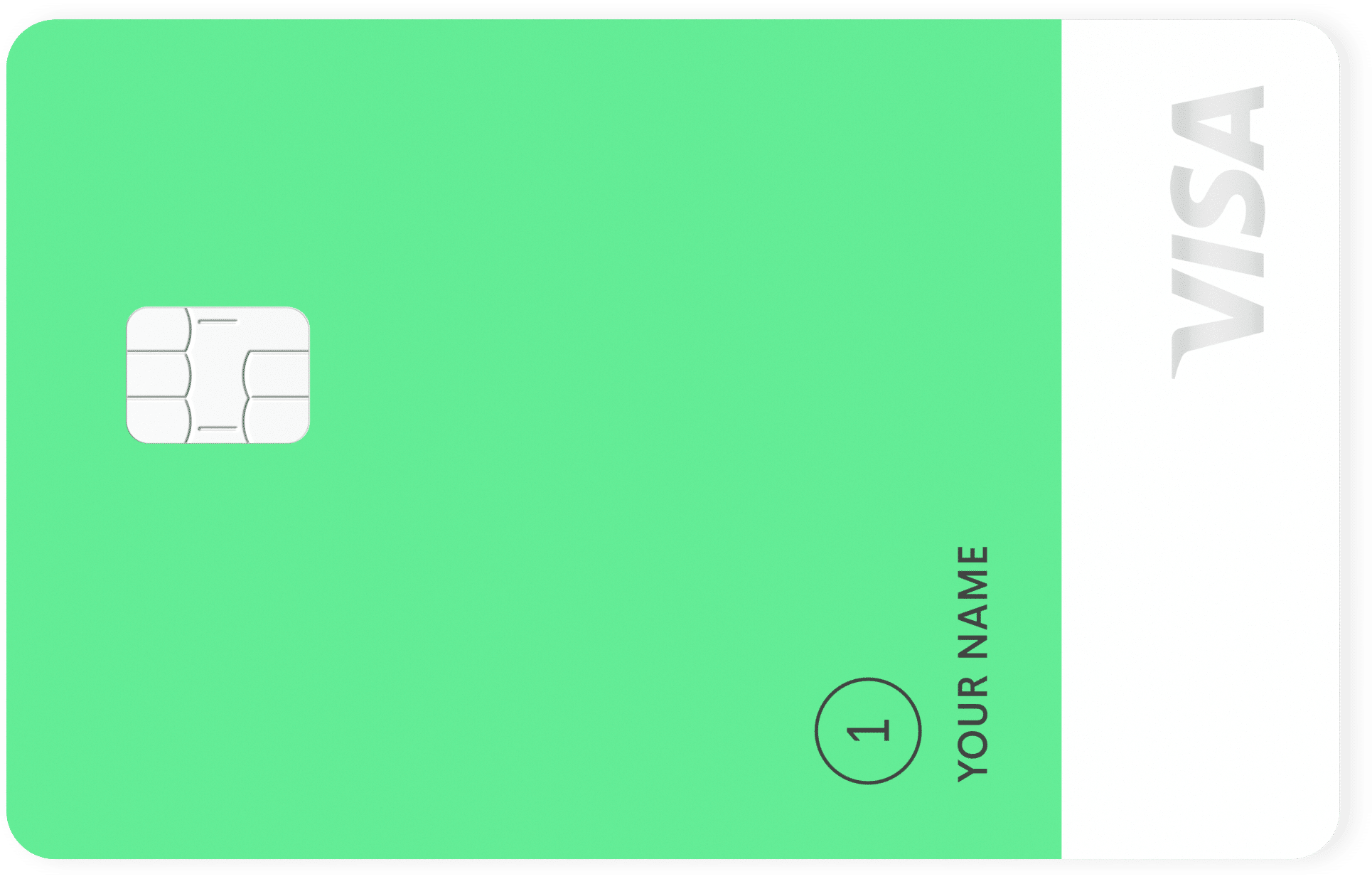
Petal 1 Visa Credit Card
The Petal 1 Visa Credit Card is designed specifically for consumers who are looking for a no-annual-fee, no-deposit-required solution to start or improve their credit. Issued by WebBank, this card evaluates your eligibility using more than just your credit score—it considers your bank account activity to better understand your financial habits. You can qualify even without prior credit history, and earn 1%–10% cash back at select local and national merchants. Plus, the app features budgeting tools and payment tracking to support smart usage. It’s a streamlined entry point for responsible credit-building in the U.S.
Fintech or Online-Only Credit Card Issuers
Online-only card issuers like Petal, Deserve, and Tomo are leading the charge for inclusive credit. These companies use tech-driven underwriting models to offer credit access without the need for a FICO score. Their cards often include no annual fees, no foreign transaction fees, and user-friendly apps. Fintech cards can be a stepping stone for students, freelancers, and immigrants new to the U.S. credit system. The tradeoff? Some may lack premium perks and may not yet match the benefits of traditional lenders.
Secured Credit Cards for Building Credit
Secured credit cards require a refundable deposit that acts as your credit limit. Cards like the Capital One Platinum Secured or Citi® Secured Mastercard® are go-to tools for people with low or no credit scores. These cards report to all three credit bureaus and can lead to unsecured upgrades. They’re reliable but often lack rewards or higher limits. The Petal 1, by contrast, skips the deposit step and still reports to major bureaus, giving it a unique edge for first-time cardholders.
Retail Store Credit Cards
Store cards from brands like Target or Kohl’s may offer early access to sales or discounts, but they often have APRs over 25%, limited use outside the brand, and strict repayment terms. For most consumers, especially beginners, a general-purpose Visa like Petal 1 is a more flexible and safer choice. It can be used anywhere Visa is accepted, supports budget tracking, and doesn’t encourage spending beyond your means for temporary perks.
How Credit Cards Impact Your Finances and Credit Score in the US
A credit card is a powerful financial tool—but only when used wisely. Your credit utilization ratio plays a key role in your FICO score—aim to keep balances under 30% of your limit. Timely payments build trust with lenders and boost your score, while missed payments hurt your credit profile and lead to late fees. Transferring balances to lower-interest cards can help manage debt if done with discipline. Your debt-to-income ratio also affects loan approvals for things like car loans or mortgages. Every hard inquiry lowers your score slightly, so apply sparingly. Make the most of included benefits, and always read the terms to avoid costly mistakes. Responsible credit use opens doors to financial growth in the U.S.

 Chase Ink Business Credit Card <p class='sec-title' style='line-height: normal; font-weight: normal;font-size: 16px !important; text-align: left;margin-top: 8px;margin-bottom: 0px !important;'> Discover why the Chase Ink Business Credit Card is a top choice for U.S. small business owners, offering strong cash back rewards, flexible benefits, and business-focused financial tools.</p>