

Top Credit Card Issuers in the US
- Chase
A popular issuer for rewards seekers, Chase offers cash back and travel cards with valuable point systems and premium protections. - Capital One
Known for broad credit accessibility, Capital One offers credit cards for users at every stage — from secured to high-reward travel cards. - American Express
Renowned for its customer service and robust reward offerings, Amex suits those looking for premium travel perks and flexible points. - Discover
Offers no annual fee credit cards, rotating 5% cash back categories, and helpful features like free FICO score tracking. - PenFed Credit Union
A solid option for government employees and military families, offering lower APRs and easy-to-understand terms with credit card products.
Major Bank Credit Cards
Large banks offer comprehensive credit card lines that include rewards, balance transfer, low-APR, and travel options. These cards often come with added benefits such as extended warranties, airport lounge access, or fraud protection. However, many require good to excellent credit and may carry fees or high APRs if balances are not paid in full. They’re ideal for responsible users who want robust features and can manage debt wisely.
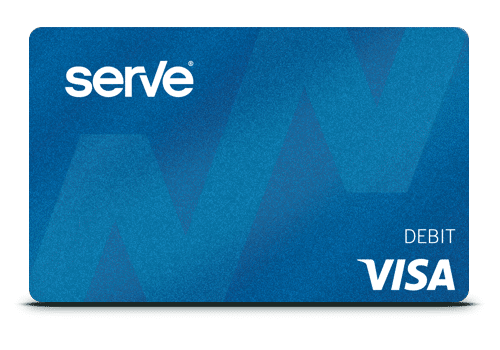
Serve Pay As You Go Visa Credit Card
The Serve Pay As You Go Visa is a prepaid debit card designed for consumers who want spending control without the burden of interest rates, late fees, or credit checks. No credit history is needed, and no monthly fee is charged — you only pay when you use the card. It’s great for budgeting, receiving direct deposits, paying bills, or shopping online. While it won’t build your credit score, it gives you the flexibility of a card without the risk of debt. Its integration with mobile tools and wide acceptance make it perfect for those who want financial control without complexity.
Fintech or Online-Only Credit Card Issuers
Emerging financial tech companies offer credit alternatives through digital-first platforms. Chime and Petal, for example, issue cards with minimal fees, clear terms, and easy access to spending insights via mobile apps. These companies often skip traditional underwriting and focus on income or banking history instead of credit scores, making them a lifeline for underserved users. They are best for those comfortable with online-only services.
Secured Credit Cards for Building Credit
For consumers focused on building or rebuilding credit, secured credit cards offer a reliable path. You make a refundable deposit, which becomes your credit limit, and the issuer reports your activity to credit bureaus. Cards like the Discover it® Secured or Capital One Secured can help you improve your FICO score with responsible use. However, choose cards that offer a path to upgrade or graduate to unsecured products.
Retail Store Credit Cards
Retail cards can offer early access to sales, store-specific rewards, or financing on large purchases — but these perks often come at a cost. High interest rates, limited usability, and deferred interest traps are common pitfalls. These cards are best used for small, controlled purchases and only if you can pay the full balance each month.
How Credit Cards Impact Your Finances and Credit Score in the US
While prepaid cards like the Serve Pay As You Go Visa don’t report to credit bureaus, they help users stay on budget without debt. For traditional cards, credit utilization — the ratio of your balance to credit limit — has a major influence on your FICO score. Keeping it below 30% is ideal. Making payments on time is crucial for maintaining a positive credit history, while missed payments can lead to penalties and score damage. Debt-to-income ratio (DTI) affects your ability to qualify for loans, and balance transfers can help reduce interest if used wisely. Hard inquiries from multiple credit applications can temporarily lower your score. Always read the fine print, understand your benefits (like purchase protection or rental car coverage), and pay balances in full whenever possible.

 Chase Ink Business Credit Card <p class='sec-title' style='line-height: normal; font-weight: normal;font-size: 16px !important; text-align: left;margin-top: 8px;margin-bottom: 0px !important;'> Discover why the Chase Ink Business Credit Card is a top choice for U.S. small business owners, offering strong cash back rewards, flexible benefits, and business-focused financial tools.</p>