

Top Credit Card Issuers in the US
- Chase
Chase offers versatile credit cards for every need—from cashback and travel to premium perks—with one of the best online platforms and customer service in the industry. - Capital One
Capital One brings accessible credit cards with innovative features like real-time purchase alerts and flexible reward redemption, serving a wide range of credit profiles. - American Express
Renowned for superior benefits and customer experience, Amex is a favorite for travelers and professionals seeking points, lounge access, and elite upgrades. - Discover
Discover’s no-annual-fee cards and generous cashback match program make it an attractive choice, especially for students and those new to credit.
Major Bank Credit Cards
Cards from major U.S. banks are widely accepted and tend to offer competitive rewards, helpful mobile tools, and introductory APR offers. These cards are a reliable choice for consumers looking for a well-rounded product backed by trusted institutions. Benefits such as fraud protection, dispute resolution, and customer support are standard, and many of these cards offer FICO® Score access and mobile app tracking.
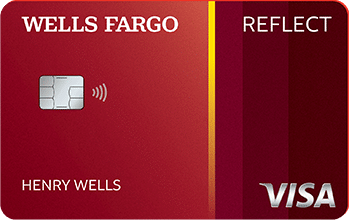
Wells Fargo Reflect Card
The Wells Fargo Reflect® Card is designed to help consumers minimize interest payments without the distraction of complex rewards programs. It offers an introductory 0% APR for up to 21 months on both purchases and qualifying balance transfers (including a 3%–5% fee). This makes it a top pick for consolidating debt or financing a big purchase. While it doesn’t provide points or cash back, the value lies in how much interest you can save. You’ll also benefit from features like cell phone protection (when you pay your bill with the card) and access to My Wells Fargo Deals, which offers statement credits for eligible purchases. This card fits best in a strategic wallet that values long-term interest-free periods and financial breathing room.
Fintech or Online-Only Credit Card Issuers
New digital-first credit card companies like Petal and Tomo use technology to approve applicants with limited or no credit history. Many of these cards skip fees altogether—no late fees, no annual fees, and no over-limit charges—making them appealing to younger consumers or those looking for simplicity. However, they often lack the reward structures or balance transfer options found in traditional bank-issued cards.
Secured Credit Cards for Building Credit
A secured card requires a deposit that typically equals your credit limit. These are ideal for people building or rebuilding credit, as they report to the three major credit bureaus—Equifax, Experian, and TransUnion. Examples like the Capital One Platinum Secured Card or Discover it® Secured can help users responsibly increase their FICO score. Some even offer upgrades to unsecured versions with good behavior and include modest rewards.
Retail Store Credit Cards
Retail credit cards often offer compelling sign-up bonuses or special financing, especially for in-store purchases. However, they typically carry high APRs, limited usage, and modest credit limits. These cards work well for loyal shoppers but can be dangerous if balances are carried month-to-month. Brands like Macy’s, Lowe’s, and Best Buy offer store-specific options that may benefit frequent customers—but only when used responsibly.
How Credit Cards Impact Your Finances and Credit Score in the US
Credit cards in the U.S. play a vital role in shaping your financial health. Your FICO score depends heavily on credit utilization—keeping your balances low relative to your credit limits helps boost your score. Timely payments are the cornerstone of good credit history, while missed payments and compound interest on carried balances can significantly hurt your profile. Strategic use of tools like balance transfers (especially when tied to long 0% APR offers like the Reflect Card) can lower interest costs and improve debt management.
Credit card activity also affects your debt-to-income ratio, which lenders review when you apply for auto loans or mortgages. Benefits like purchase protection or travel insurance add further value. Still, be mindful of hard inquiries, which can slightly reduce your score if you apply for too many cards at once. Always read your card’s terms, avoid high-interest debt, and try to pay your statement in full monthly to stay ahead.

 Chase Ink Business Credit Card <p class='sec-title' style='line-height: normal; font-weight: normal;font-size: 16px !important; text-align: left;margin-top: 8px;margin-bottom: 0px !important;'> Discover why the Chase Ink Business Credit Card is a top choice for U.S. small business owners, offering strong cash back rewards, flexible benefits, and business-focused financial tools.</p>