

Ensinar educação financeira para crianças é crucial para prepará-las para o futuro. Ao introduzir conceitos financeiros desde cedo, como poupança e orçamento, você está plantando as sementes para uma vida de saúde financeira. Neste artigo, exploraremos a importância de iniciar a educação financeira na infância e ofereceremos atividades que tornam o aprendizado divertido e prático. Compreender desde cedo a gestão de dinheiro pode ajudar as crianças a desenvolver habilidades que valerão para toda a vida.
Por que ensinar educação financeira desde cedo?

Teaching financial literacy at an early age is crucial for developing lifelong money management skills. An early start means children can develop a healthy relationship with money, understanding its value and how to manage it wisely.
Children often observe their parents’ and guardians’ financial habits, hence early education can prevent them from picking up poor financial behaviors. By introducing basic concepts like saving, spending, and budgeting in childhood, children can grow into financially responsible adults.
An essential part of financial education is practical application. Engage children with activities like setting small savings goals or understanding the difference between needs and wants. These activities not only make the learning process enjoyable but cement the concepts in real-life scenarios.
Moreover, early education in financial concepts encourages a future generation that is more prepared for the financial challenges of adulthood. Equipping children with these tools helps them feel confident in making financial decisions as they navigate life’s various stages.
Atividades práticas para ensinar finanças pessoais
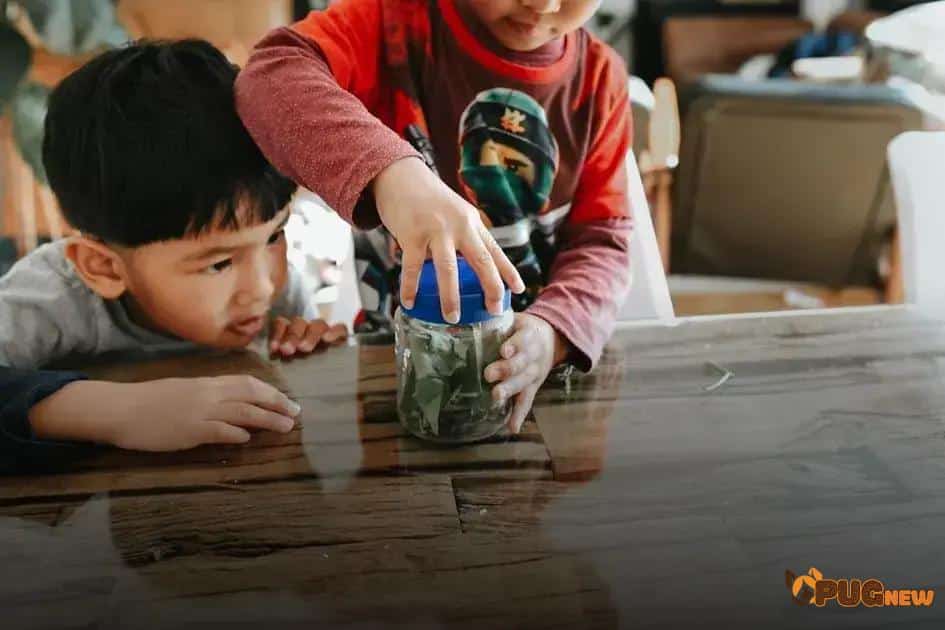
Engaging kids in interactive activities is a fantastic way to introduce the concepts of personal finance. Start with a
fun budgeting game
where children receive a set amount of play money to manage daily expenses like snacks, toys, and saving goals. This helps them understand decision-making and the value of money.
Another excellent activity is to create a mini shopping trip. Use a grocery list and set a budget; let them choose items while staying within limits. This teaches them about prices, needs versus wants, and the importance of planning.
Encourage kids to start a
small savings challenge
. Provide a piggy bank or a savings jar where they can regularly deposit coins. Have a chart showing how savings grow over time and help them set small achievable goals. This instills the habit of saving and the understanding of delayed gratification.
You can also use technology by integrating apps designed for children that simulate real-world banking and investment scenarios, allowing them to make virtual financial decisions and track their outcomes. These tools can offer interactive and educational experiences that keep children engaged while learning.
Using storytelling is another effective approach. Share stories of financial success and mistakes with characters who navigate financial challenges. This method encourages critical thinking and discussions on financial topics.
Incorporating such practical activities makes financial education enjoyable and relatable, building a solid foundation for lifelong financial literacy.
